
Have you ever looked at your Working Genius results and thought something like, “Okay… cool… but what am I supposed to do with this?” Many of us know the model, but you may need a refresher. Here’s that, plus a few simple ways to put it into practice.
What Is the Working Genius Model?
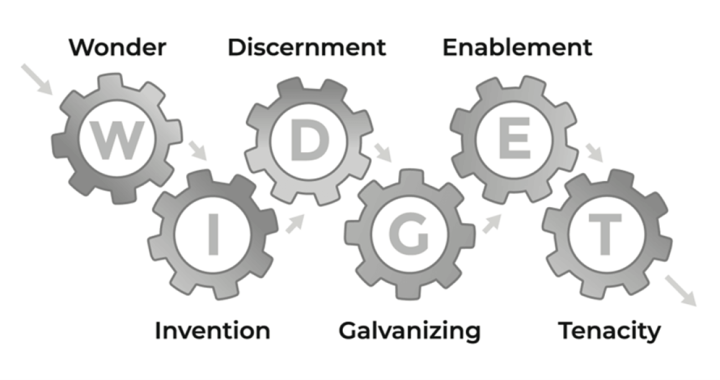
Patrick Lencioni’s Working Genius framework identifies six natural geniuses people bring to work. Each genius plays a role in the lifecycle of a project:
Ideation Stage
• Wonder: Asking big questions and spotting possibilities
• Invention: Generating new ideas and solutions
Activation Stage
• Discernment: Using intuition and judgment to evaluate options
• Galvanizing: Rallying people and initiating momentum
Implementation Stage
• Enablement: Supporting others and helping ideas move forward
• Tenacity: Driving execution and finishing strong
Everyone has:
• 2 Geniuses (your natural, energizing strengths)
• 2 Competencies (you can do them, but they aren’t life‑giving)
• 2 Frustrations (tasks that drain you or feel unnatural)
Knowing this helps us collaborate with more clarity, energy, and respect.
How to Use Working Genius Inside Your Team
Here are a few practical ways to bring the model into your day‑to‑day:
- Use Your Own Geniuses as a Leadership Filter
Know what energizes you, ask for help where you need it, and structure your work accordingly. All of us have work in each part of the cycle so the goal can’t be “I only want work in my genius”, the goal is to have more work in your genius than not. - Identify the Stage of Work (Ideation → Activation → Implementation)
Just naming the stage, or asking what it is, to yourself and to the team helps set expectations and keeps conversations aligned. And sometimes an issue discovered in one stage will move you briefly back to the stage you just came from – for example you were in activation stage but you hit a problem, you may need to go back to ideation to solve that problem. The key is that the whole project doesn’t go back to ideation. Lencioni refers to that as the “lower case widget” and it’s part of the dynamic nature of work. - Assign Tasks Based on Observable Strengths
Match tasks to people based on what naturally energizes them as much as possible. Again, we all have tasks in each of the stages and we can all do the work in each stage, but the goal is to ensure we’re each bringing out the best in each other and for the work. - Normalize Conversations About Frustrations
If something feels draining—to you or team member—that’s okay. Being open about it helps avoid misinterpretation and lets people serve where they thrive. - Use Genius Mapping for Staff Collaboration
When working with a team, keep a simple map of your team’s geniuses, competencies and frustrations, and let each person lead and/or work from where they’re strongest as much as you can. If you aren’t the lead on the project, talk to the leader about the tasks that you most enjoy and how those fit into your genius.
Getting Started
If you haven’t taken the assessment, talk to your supervisor!
If you want to revisit your results, search your inbox from when you last took the test, or look at your Rock profile under Additional Information.
Patrick Lencioni has a great podcast on this with new episodes weekly.
The more we understand and honor how each person works best, the better we can work together in our mission!