
A Refresher on the Predictable Success Curve
On Tuesday, January 13th, Ben spent time with our staff walking through Les McKeown’s Predictable Success Curve—a simple but powerful framework for understanding how organizations grow, why they struggle, and what it takes to stay healthy over time.
This post is a reminder of that conversation and a shared reference point as we continue to grow together.
What Is the Predictable Success Curve?
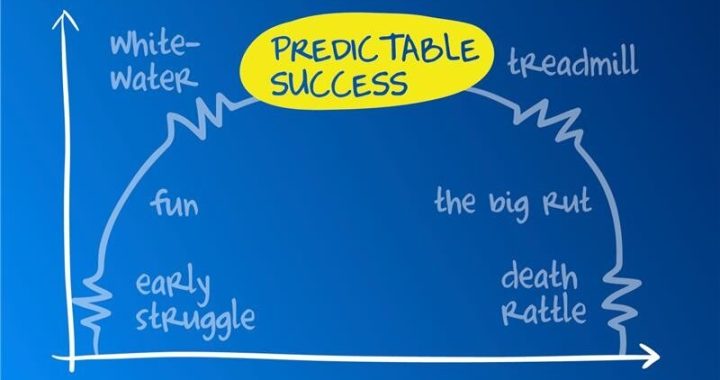
The Predictable Success Curve describes the life cycle of an organization. It shows that most teams move through a series of recognizable stages as they grow—from early chaos, to strong momentum, to potential decline if not managed intentionally.
The goal is not to avoid growth challenges altogether (that’s impossible), but to recognize where we are on the curve and take the right actions to move—or stay—in the healthiest zone.
That healthiest zone is called Predictable Success.
The Seven Stages of the Curve
1. Early Struggle
This is where many organizations begin.
- Energy is high, but systems are weak or nonexistent
- People wear many hats
- Progress feels hard-earned and inconsistent
This stage requires grit, persistence, and belief—but it’s not sustainable long-term.
2. Fun
Momentum starts to build.
- Wins come more easily
- The team feels energized
- Problems are solved quickly through effort and teamwork
This stage feels great—but it often relies on heroic effort rather than repeatable systems.
3. Whitewater
Growth accelerates, and complexity increases.
- More people, more customers, more moving parts
- What used to work no longer works the same way
- Stress increases as the organization outgrows informal processes
This is a critical stage.
Organizations either invest in structure here—or risk burning people out.
4. Predictable Success (The Sweet Spot)
This is the goal.
- Clear roles and expectations
- Strong systems and processes
- Consistent results without constant firefighting
- Leaders focused on strategy, not just survival
In Predictable Success, the organization is both stable and adaptable.
Importantly, this stage doesn’t happen by accident—it’s the result of intentional leadership and disciplined execution.
5. Treadmill
If an organization stops evolving, it may slip backward.
- Activity remains high, but progress slows
- People feel busy but not effective
- Innovation decreases
The organization is working hard just to maintain the status quo.
6. Big Rut
Complacency sets in.
- Resistance to change
- Focus on protecting what exists rather than improving it
- Declining morale and engagement
This stage is dangerous because it often feels “comfortable” while performance erodes.
7. Death Rattle
The organization is in serious trouble.
- Results decline sharply
- Trust erodes
- Emergency decisions replace long-term thinking
Recovery is possible—but difficult and costly.
Why This Matters to Us
As Ben emphasized, the Predictable Success Curve isn’t about labels—it’s about awareness.
Understanding the curve helps us:
- Normalize the disruption that comes with new growth
- Create and value (use) systems that serve the mission and the people
- Ask what is needed: New vision? Operation? or Processes?
- Stay intentional about not just growing, but growing well
The most important takeaway: No organization stays in Predictable Success automatically.
It requires continuous attention, leadership, and a willingness to adjust as we grow.
Our Shared Responsibility
Every role in the organization contributes to where we sit on the curve.
- Leaders create clarity and systems
- Teams follow processes and provide feedback
- Everyone stays open to change and improvement
By using the Predictable Success Curve as a common language, we can have healthier conversations about what’s working, what’s not, and what we need to do next.
Final Thought
Growth is a good thing—but unmanaged growth creates problems.
The Predictable Success Curve reminds us that success isn’t just about getting bigger or busier. It’s about building an organization that delivers consistently, supports its people, and adapts over time.
Let’s keep this framework in mind as we move forward together.